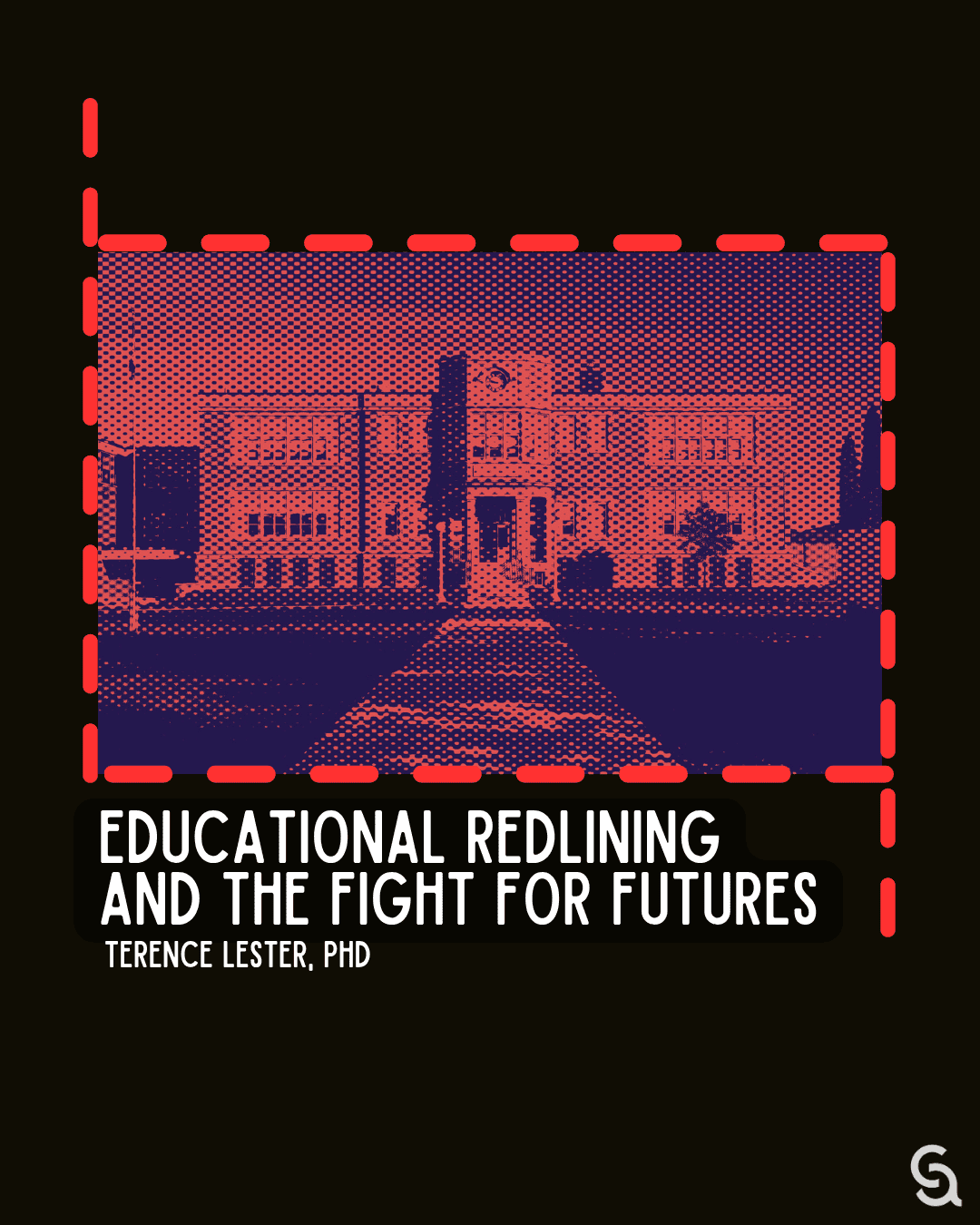
Part 1: Educational Redlining and the Fight for Futures: How Systemic Disinvestment Shapes Students’ Lives Before They Ever Reach Adulthood
Economic injustice begins in the classroom. In this opening article, Dr. Terence Lester exposes the spiritual and structural crisis of educational redlining — the decades-long practice of underfunding schools in Black and Brown communities. He traces how policy rollbacks, book bans, and weakened protections compound harm for students already carrying the weight of poverty and instability. With personal story and prophetic clarity, Lester argues that these are not abstract policy debates but moral decisions about whose futures we are willing to protect. Christians who care about justice must begin here.
Part 2: What Charity Can’t Fix: Why Compassion Alone Cannot Confront the Systems That Produce Poverty
In Part 2, Lester draws a powerful distinction between personal theology and public theology, showing why charitable acts — good as they are — cannot repair the systems that keep people trapped in poverty. He unpacks the biblical frameworks of tsedeq (righteousness) and mishpat (justice), calling the church to move beyond seasonal outreach toward courageous truth-telling and systemic action. This piece challenges Christians to ask deeper questions: Why are people hungry? Why are communities under-resourced? Why does injustice persist? It’s a call to a fuller, braver expression of the Good News.
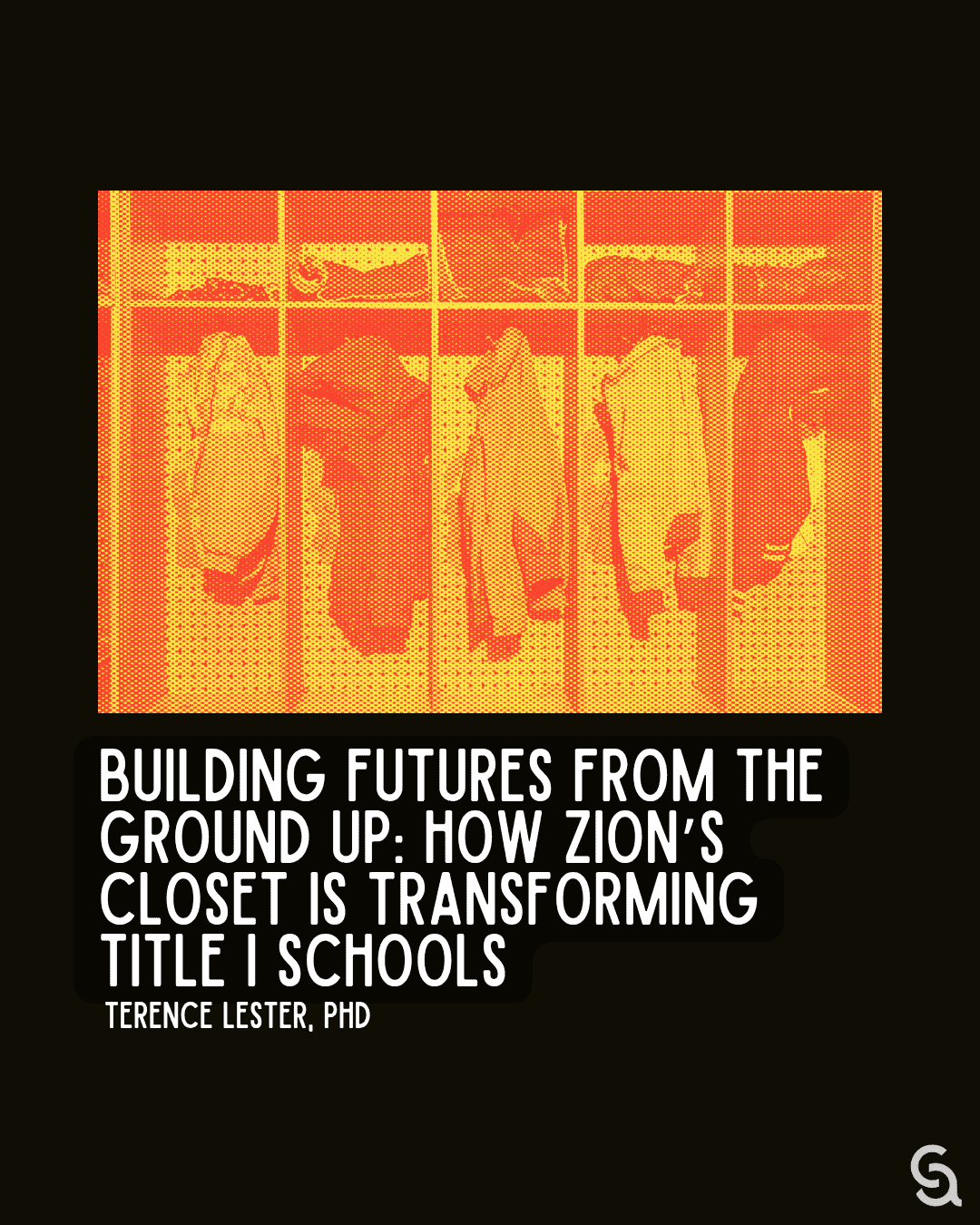
Part 3: Building Futures from the Ground Up: How Zion’s Closet Is Transforming Title I Schools and Reimagining Community Care
Part 3 traces the story behind Zion’s Closet, an innovative initiative that brings dignity, resources, and wraparound support directly into underfunded Title I schools. Lester shows how one child’s compassion grew into a program that unites families, educators, churches, and community leaders for systemic impact. This article spotlights the daily realities students face — housing instability, food insecurity, chronic underfunding — and offers a hopeful blueprint for what can happen when communities step into the gaps. Immediate care matters, but so does asking why these needs exist.
Part 4: Becoming Reparative Communities: A Vision for Churches That Heal, Repair, and Stand with the Marginalized
The final article brings the series to its moral heart: the church’s role in confronting economic injustice. Lester casts a compelling vision of reparative communities — faith communities that refuse silence, embody public theology, and practice repair in both spiritual and social ways. Rooted in Scripture and grounded in proximity, this piece names the traits Christians need in this moment: eyes that see dignity, hands that repair harm, voices that speak truth, and hearts that persevere. It’s a call for the church to be more than charitable — to be transformative.