Dying Empty (Holy Week Series)
By Avril Z. Speaks
A couple of weeks ago, I attended the funeral of my dear friend. To say that his death was a shock is an understatement. Even writing that sentence still gives me chills.

By Avril Z. Speaks
A couple of weeks ago, I attended the funeral of my dear friend. To say that his death was a shock is an understatement. Even writing that sentence still gives me chills.
By Avril Z. Speaks
A couple of weeks ago, I attended the funeral of my dear friend. To say that his death was a shock is an understatement. Even writing that sentence still gives me chills.
By Kristyn Komarnicki
(Editor’s note: As we enter Holy Week, we’re holding space for the parts of the story that feel unresolved — the places where loss lingers and hope is hard to see. These reflections by our CSA staff invite us to pay attention to what God may be doing in the middle of it, not just after it.)
“Nothing that dies stays dead.” Theologian Tamice Spencer-Helms said this in a recent conversation with podcaster Connie Chen.
By Rev. Dr. Mae Elise Cannon
(Editor’s note: This is Part 4 of a four-part series exploring Christian faith, theology, and peacemaking in the Holy Land. In this concluding installment, Rev. Dr. Mae Elise Cannon offers a call to faithful Christian response through prayer, solidarity, advocacy, and relationship-building.
By Daniel Yang
War, huh, yeah
What is it good for?
Absolutely nothing
Some know this refrain from Edwin Starr’s song “War” as a contemporary pop culture reference to the 1970s. But decades removed from the Vietnam War for which it was written, the question still hangs in the air with great relevance for today, if not more.
By CSA Staff
FOR IMMEDIATE RELEASE
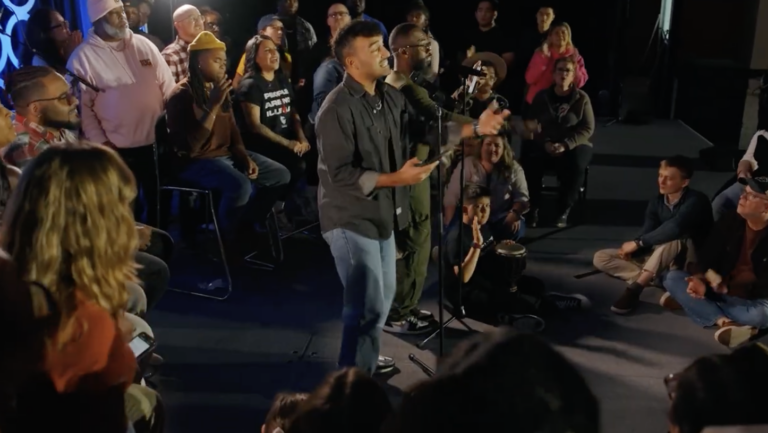
The seven-song project grew out of a year of listening to stories from organizations working for justice, creation care, and community renewal.
March 23, 2026 — In a cultural moment marked by rapid news cycles, political tension, environmental crisis, and widespread exhaustion, many Christians are quietly asking what hope actually looks — and sounds — like today.
By Rev. Dr. Mae Elise Cannon
(Editor’s note: This is Part 3 of a four-part series exploring Christian faith, theology, and peacemaking in the Holy Land. In this installment, Rev. Dr. Mae Elise Cannon examines how theological frameworks — particularly those connected to Christian Zionism and dispensationalism — shape Christian attitudes toward Israel and Palestine.
By Melanie Mock
Two days after the United States began bombing Iran, I dropped my oldest son at the airport in Portland, OR. He was headed to National Guard boot camp, and will be gone for 10 weeks.
By Rev. Dr. Mae Elise Cannon
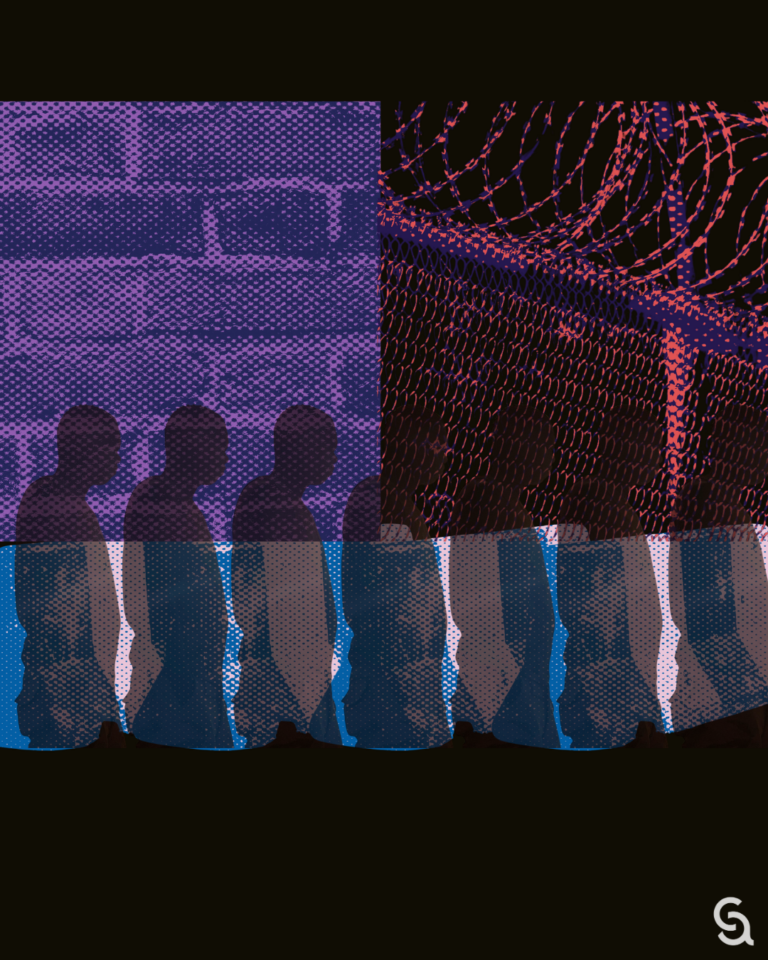
(Editor’s note: This is Part 2 of a four-part series exploring Christian faith, theology, and peacemaking in the Holy Land. In this installment, Rev. Dr. Mae Elise Cannon turns from history and biblical interpretation to lived experience, examining how physical barriers, borders, and political structures shape the daily realities of Palestinians and Israelis alike.

By Scott Bessenecker
A story attributed to Saint Francis of Assisi goes something like this: Once, Francis and another friar were walking past an ornate cathedral when the friar declares, “The church can no longer say, ‘Silver and gold I have not,’” referring to Peter’s words to a lame beggar at the Temple gate.
By Mae Elise Cannon
(Editor’s note: This is Part 1 of a four-part series exploring Christian faith, theology, and peacemaking in the Holy Land. In this opening article, Dr. Mae Cannon invites readers into a biblically grounded vision of shalom — challenging common assumptions about conflict in the region and examining how Scripture has often been misread in ways that obscure God’s purposes for peace.
By Rubin McClain
Last year, at the beginning of Lent 2025, I joined a group of students, scholars, and activists on a Sabeel trip to the “Holy Land.” While I was reflecting on what exactly is “holy” in a moment in which the region is filled with strife and conflict, the arid landscape echoed back to me as a forceful impression of my dreary thoughts.

(A Storytellers Collective Feature)
On Chicago’s West Side, Pastor Phil Jackson learned early that justice doesn’t begin behind a desk.
When he joined Lawndale Christian Community Church in the mid-1990s, Phil quickly realized that traditional models of ministry weren’t going to reach the young people he cared most about.

By Scott Bessenecker
For me, Lent has long been an invitation to hunger and thirst for God’s kingdom to take deeper root in my life and in this world. It is a season that gives shape to longing, a hunger for Easter, for resurrection, and for the unfolding of God’s good-news-to-the-poor kingdom among us.

By Terence Lester, PhD
One of the most pressing challenges facing the Christian faith right now is not simply political division, but moral inconsistency and the lack of courage to speak out against blatant injustices that are anti-Christian, wrong, destructive, and harmful to vulnerable people and targeted communities.
By Rev. Dr. Allen L. Hollie Jr.
“For I know that in me (that is, in my flesh) dwelleth no good thing… O wretched man that I am! Who shall deliver me from the body of this death?” (Romans 7:18-24)
The Epistle and the Experience
When the Apostle Paul wrote to the church at Rome, admitting that a war raged within his own members, he was not offering abstract theology.

(A Storytellers Collective Feature)
Across the United States, health care systems are straining under the weight of policy decisions made far from the people most affected by them. For millions of families, access to care is fragile — shaped by underfunded systems, racial inequities, and growing threats to Medicaid and other safety-net programs.