
Grief is universal — but it is not experienced in the same way by everyone. In the United States, trauma, loss, and grief are embedded in the lived experience of Black women, shaped by history, systemic inequities, and daily realities that too often go unseen in wider church communities.
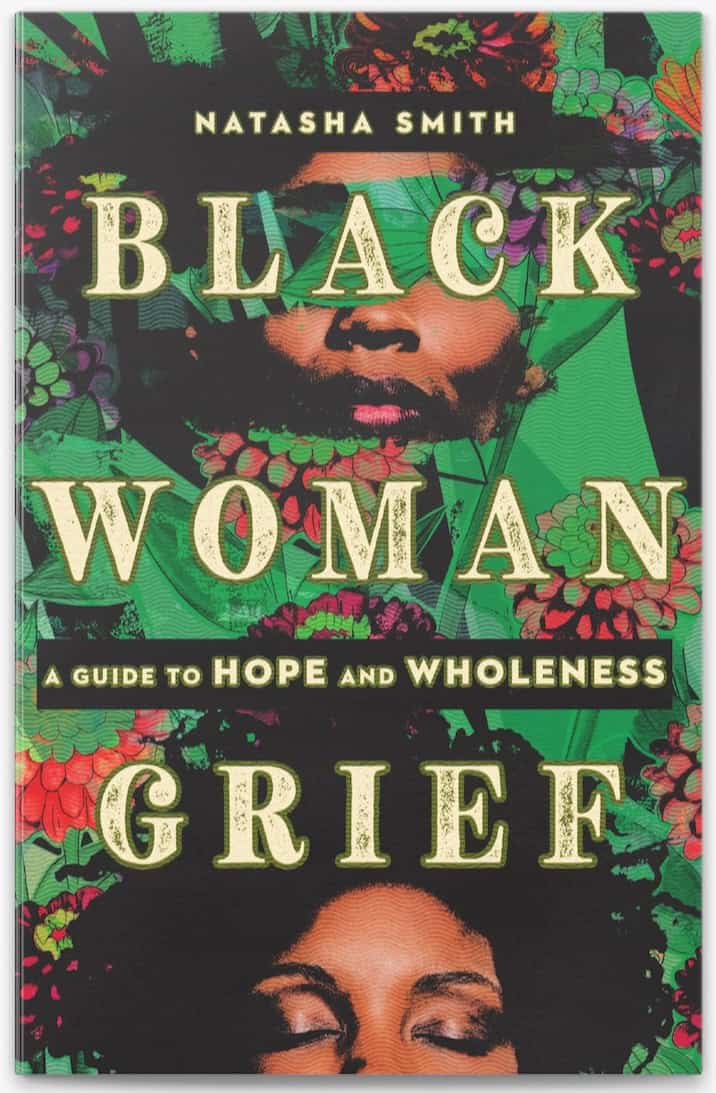 In her new book, Black Woman Grief: A Guide to Hope and Wholeness (InterVarsity Press), author Natasha Smith invites readers to enter into the sacred space where lament meets hope. With honesty, biblical wisdom, and testimony, Smith reframes grief not as something to be hidden or borne alone, but as a communal journey where God meets his people with dignity, compassion, and restoration.
We asked Natasha to share how her book can help the Church learn to recognize collective grief, create spaces for communal healing, and listen more faithfully to the stories of Black women who have too often been silenced.
You write that trauma, loss, and grief are embedded in the lived experience of Black women in the United States. For CSA’s audience—many of whom are justice-oriented Christians—how might this book help deepen our understanding of collective grief and the need for communal healing in the church?
 Smith: We learn about each other’s lived experiences when we take the time to truly sit with one another and hear the real and raw parts of our stories. That can happen in two ways: through direct relationship or through literature. This book offers an entry point for those who may not have had the opportunity, don’t feel comfortable, or simply haven’t engaged deeply with Black women’s lived experiences. Because the truth is, we don’t know what we don’t know, and we cannot change what we don’t acknowledge or choose to ignore. Scripture calls us to “mourn with those who mourn.”
Throughout Black Woman Grief, you invite readers into both lament and hope. What role does lament play in the spiritual lives of Black women—and what have you found often prevents the wider church from engaging in that kind of deep, honest lament?
Smith: Lament has always been a part of the lives of Black women as the plight of Black women has historically been one of tests and trials by fire. I once heard a pastor of a multicultural church say, “We all get the same start in life.” But for Black women, history tells us otherwise. From slavery to systemic inequities, our starting lines have always been different.
So, lament isn’t new to us. We may not have always had the word “lament” as a language for what we were already practicing, but it has always been there. I recall experiencing this growing up in church, sitting in the pews during Wednesday night prayer meetings as Black women would share their hardships, yet in the same breath, give God praise for what he has done and what he’s able to do.
Lament is essential because naming what grieves us is a key step toward healing. Lament allows us to bring our sorrow to God in a way that honors him. For generations, Black women have cried out to God over injustices, inequalities, and violence done against our families and communities, much like the prophet Habakkuk, who cried out with honesty and faith. What often prevents the wider church from engaging in lament is fear, fear of discomfort, of vulnerability, and of facing hard truths about injustice.
The “strong Black woman” trope is often celebrated even in Christian spaces, but your book challenges that image. How can churches, small groups, and justice movements begin to create space for Black women to be seen as whole people—beyond strength, productivity, or sacrifice?
Your book is written for Black women, but it also invites others to listen in. For readers who don’t share that experience but want to be better allies, co-laborers, and faith-filled friends, what posture should they take when reading Black Woman Grief?
Smith: I believe every loss is worthy of space and grace to grieve. That includes Black woman grief. This book is, in many ways, a sequel to my first book, born from the heart-cry of many grievers, Can You Just Sit With Me? Not to judge, not to blame, not to tell your side of the story, not even to rush in with your own, but simply to hear our story. And not only with your ears, but with your heart. Through the lens of Christ, who is full of empathy and compassion.
That means taking the posture of being slow to speak and quick to listen. Practicing the ministry of presence. Listening to learn rather than leaping to advise or fix. Offering tangible support. And committing to educate yourself, reading Black Woman Grief alongside other works that center Black women’s experiences.
Because every loss, and every life, deserves to be honored with dignity, compassion, and care.
You remind readers that the kingdom of God is at hand, even amid generational grief. What does a kingdom vision of justice, healing, and restoration look like when we center the voices and experiences of grieving Black women?
Smith: We are all God’s children, those who confess, follow Jesus, and call him Lord. His kingdom is at hand, and that truth is what keeps us moving forward. This world, with all its hate and division, is not the end of the story. For those in Christ, heaven is our home, where there will be no division, strife, grief, or sorrow. Yet while we are here, we continue to hope and pray: Lord, your kingdom come, your will be done, on earth as it is in heaven.
A kingdom vision of justice, healing, and restoration means amplifying the voices of grieving Black women where they have been silenced. It means creating spaces at the table where they’ve been excluded, and honoring their leadership and wisdom in shaping conversations that affect all of our communities. That is what the kingdom looks like breaking in, healing, dignity, and restoration through Christ, here and now.
Much of your book feels like a sacred act of testimony—naming pain, reclaiming truth, and telling a fuller story of Black womanhood. How do you see storytelling as a spiritual and justice-driven practice, especially for communities who have been historically silenced or overlooked?
Smith: Erasure comes to mind. Thus, making intentional space to share our stories ensures that our voices and histories are not lost. We cling to this truth that we overcome by the blood of the Lamb and the word of our testimonies. Again, I remember Wednesday night prayer meetings, where giving testimonies was a sacred practice. Often, we left encouraged, hearing what the Lord had done and knowing that if he can do it for one, he can do it for us. Whatever we needed, the Lord would provide, answering when we called, all without spiritually bypassing the pain we experience as Black women.
And this is what we continue to do by sharing our stories. That is what I believe I have done in this book, Black Woman Grief, giving testimony of how the Lord meets us in our grief and how he does not leave us without hope even when it feels like the world is on fire and like the whole world is against us.
There is profound power and healing in telling our stories. For historically silenced and overlooked communities, storytelling is both a spiritual act and an act of justice. It has been vital for survival, resistance, and the passing on of truth, even when others have tried, and continue to try to erase or suppress our history.