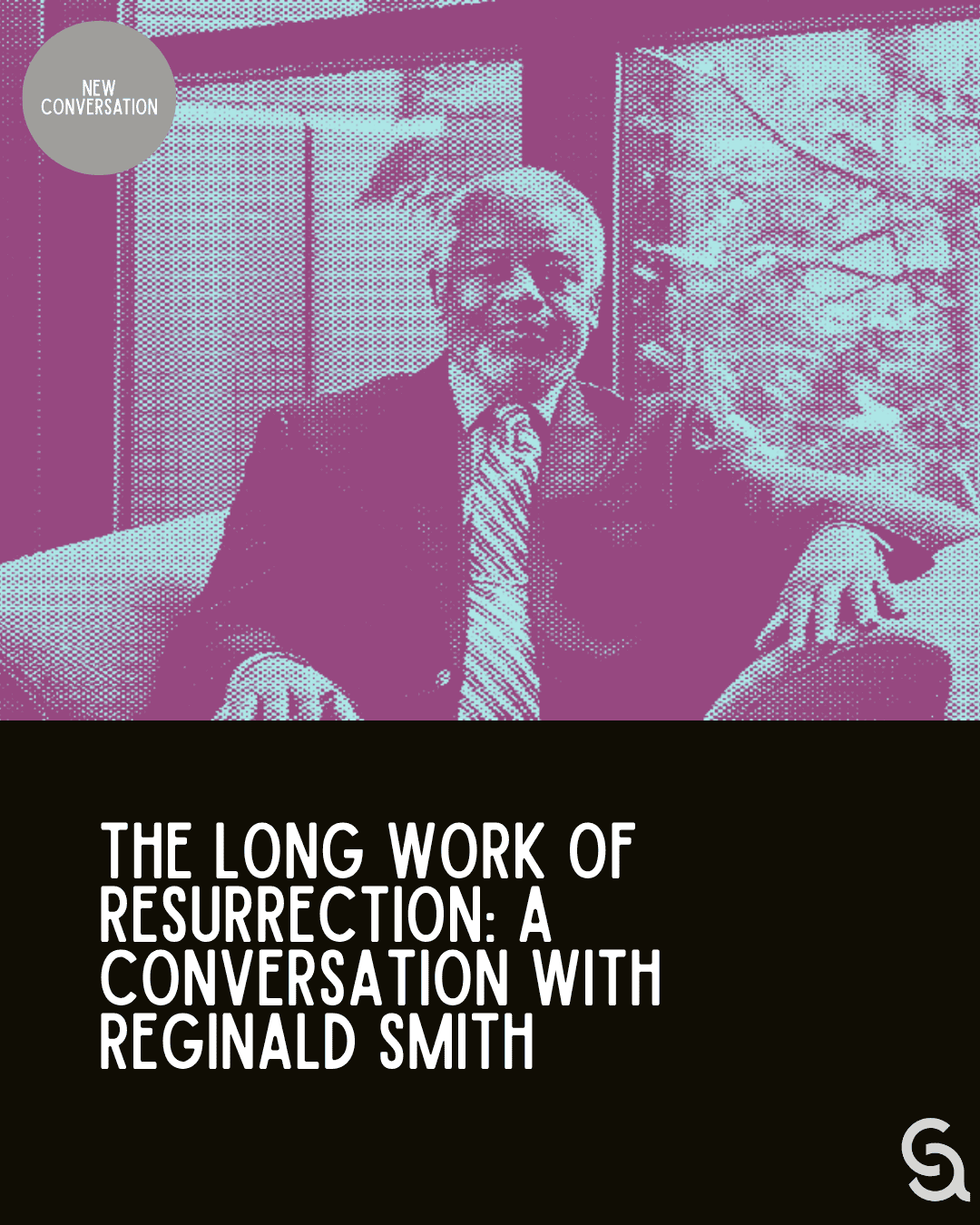
 What does it mean to stay long enough to see resurrection? For more than three decades, the Rev. Dr. Reginald Smith has lived that question in Roosevelt Park, a predominantly Latino neighborhood in Grand Rapids, Michigan. As a pastor, community leader, educator, and now ministry consultant with Thrive, the Christian Reformed Church’s congregational support agency, Smith has witnessed and participated in the slow work of neighborhood renewal: new schools and housing, deeper relationships, a stronger community, and a church learning what it means to love its neighbors by becoming part of their lives.
His new memoir, Roosevelt Park Rising, tells the story of a Black pastor leading a predominantly white church in a Latino neighborhood, and discovering along the way that God was already at work there long before he arrived. We spoke with Smith about hope on the other side of fear, the spiritual discipline of staying, the costly work of belonging, and why he believes signs of resurrection are still all around us.
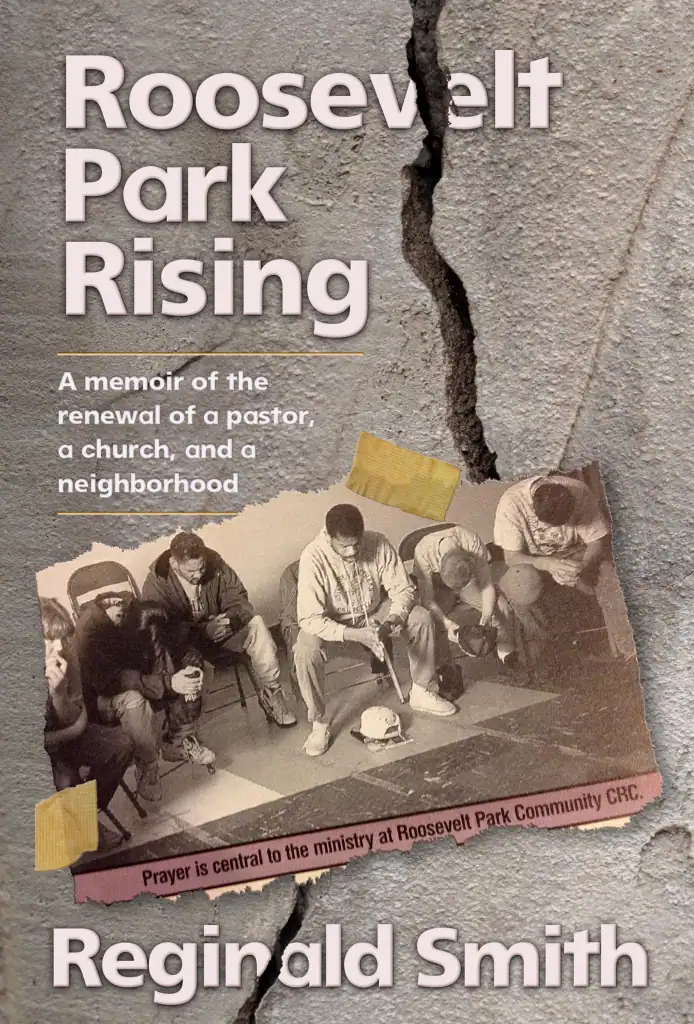 Throughout Roosevelt Park Rising, you return to the language of resurrection. You write not only about the renewal of a church and a neighborhood, but about your own renewal as a pastor. What does hope rooted in the gospel mean to you after living this story for more than three decades?
My message to my neighbors and myself was simple: Everything we wanted for my street was on the other side of fear. Everything we wanted for our children was on the other side of fear. Everything I wanted for Roosevelt Park Church was on the other side of fear. Fear would not have the last word. All we had to do was get to the other side of it.
What will get us there? Hope.
It is the enduring belief that God was up to something more than I could see in the present moment. Hope is the dream in the dead of night that despite all that might be lost, the future is not lost nor a fading fantasy. Hope can only be rooted in the gospel — that resurrection is possible for people and neighborhoods, where disappointment, death, and decay will not get the last word.
For three decades, I have been a living witness that hope built a neighborhood library. Hope built an arts academy that the community owned and operated. Hope built two modern public schools that came through advocacy and prayer.
There were many moments when it would have been understandable to walk away. What kept you rooted in Roosevelt Park, and what did God teach you about faithfulness through staying?
In the book, I disclosed that there were many times I wanted to walk away and tell God that he had the wrong person leading the church and the neighborhood association board. I wanted to embrace Jonah as my patron saint because I felt I was a lost cause, and so was this community.
Just as God pursued Jonah, wonderful people who modeled for me a vow of stability when I could have taken a hike pursued me. I saw a group of white senior women from my church take on babysitting duties for young mothers trying to gain their GEDs. I saw neighbors who were there before I came in 1994 refuse to move for the greener pastures of the suburbs because they took a vow of staying where they were planted, despite the siren calls of family and friends to leave.
I learned from the late John Perkins, who began the Christian Community Development Association principles and encouraged leaders to stay at least 15 years before community renewal change happened. Staying in Roosevelt Park was the best thing that could ever happen because the Lord taught me that community credibility does not happen when leaders make safety their most important value.
One of the beautiful threads running through the book is your growing realization that God was already at work in the neighborhood before you arrived. How did the people of Roosevelt Park reshape your understanding of where and how God is present?
When I arrived in Grand Rapids in 1994, after spending almost two years in New Jersey, I learned quickly that God did not need me, nor did the people need me, to make anything happen. Roosevelt Park Neighborhood Association leadership was there before I came. The church people from Roosevelt Park Church were there before I came.
I needed to acknowledge that God had already been working in small spaces along the streets and in the neighborhood, and that I could not claim any credit or accolades. These amazing people, some Christians and others not, had been tending the Roosevelt Park vineyard and doing the hard work of cultivating community renewal before I came on the scene.
It taught me to cultivate humility and gratitude that I was joining something already in progress. It was one of the best lessons I learned as a pastor and community leader.
Many churches long to become places of reconciliation and belonging, yet genuine transformation is often slower and more costly than people expect. Looking back, what do you wish more Christians understood about the long work of becoming a community that reflects the kingdom of God?
Becoming a place or space of reconciliation and belonging is, by design, slow and costly. We have been addicted to speedy results, speedy deliveries, and speed dating that are supposed to give us what we want quickly and efficiently. However, there is nothing in the Bible where community life promoted speed over relationship-building.
Genuine transformation always comes one conversation at a time, one person at a time, and one life at a time.
I think of my friend Zeke Ramirez. In the neighborhood, he was called the “mayor of Grandville Avenue” for a reason. Zeke walked everywhere because he never owned a car. Along with his little dog, Zeke walked up and down the avenue, where he spoke with everyone. He listened, bantered, and laughed in slow conversation. In his slowness, he was trusted. He was the Walter Cronkite of the hood.
Jesus was right that the kingdom of God is not seen by the efficient, the self-important, nor the hurried. Those who slow down and pay attention to people where they are see it. Zeke was willing to waste time with people because he believed they were worth it. That is what belonging and transformation take, and it changes you.
The church today can sometimes feel discouraged by polarization, declining trust, and division. What gives you hope for the future of the church, and where do you see signs of resurrection today?
I admit the church does have a credibility problem that is well-earned and appropriate for the times we are in. Polarization, declining trust, and division are all self-inflicted wounds that could have been avoided, but the church fell for the familiar tricks of the enemy—seeking power for power’s sake, becoming addicted to attention from the culture, and losing its first love.
This is what gives me hope: What if the church gives up its desire to use power as a revenge tactic against each other and practices Philippians 2 discipleship, where we sacrifice ourselves for the betterment of our enemies? What if we resist the TikTok seduction for attention by any means and build small communities of belonging and mattering, working with small proposals of advocacy that make people’s lives better at the local level?
Lastly, what if the church begins returning to its first love, as John rebuked the church at Ephesus — loving the Lord with all of our heart, soul, mind, and strength and loving people as if they were Jesus right in front of us?
There are signs of resurrection around us if we choose to see them by paying attention to the image of God in front of us. Resurrections are everywhere if we notice who is in plain sight.
If readers finished your book remembering just one thing about the character of God, what would you hope they carry with them?
I would hope the one thing that readers would carry with them might be that they can make a difference in any community if they acknowledge and look for the signs of God in their midst. If they could choose the slow walk of conversation, showing up, and joining what is already in place as a humble attempt to gain the right to speak when our voices might be really needed.
Remembering that God is everywhere and only asks us to play our minor role as he works his grace in the mystery of redeeming relationships for his kingdom.
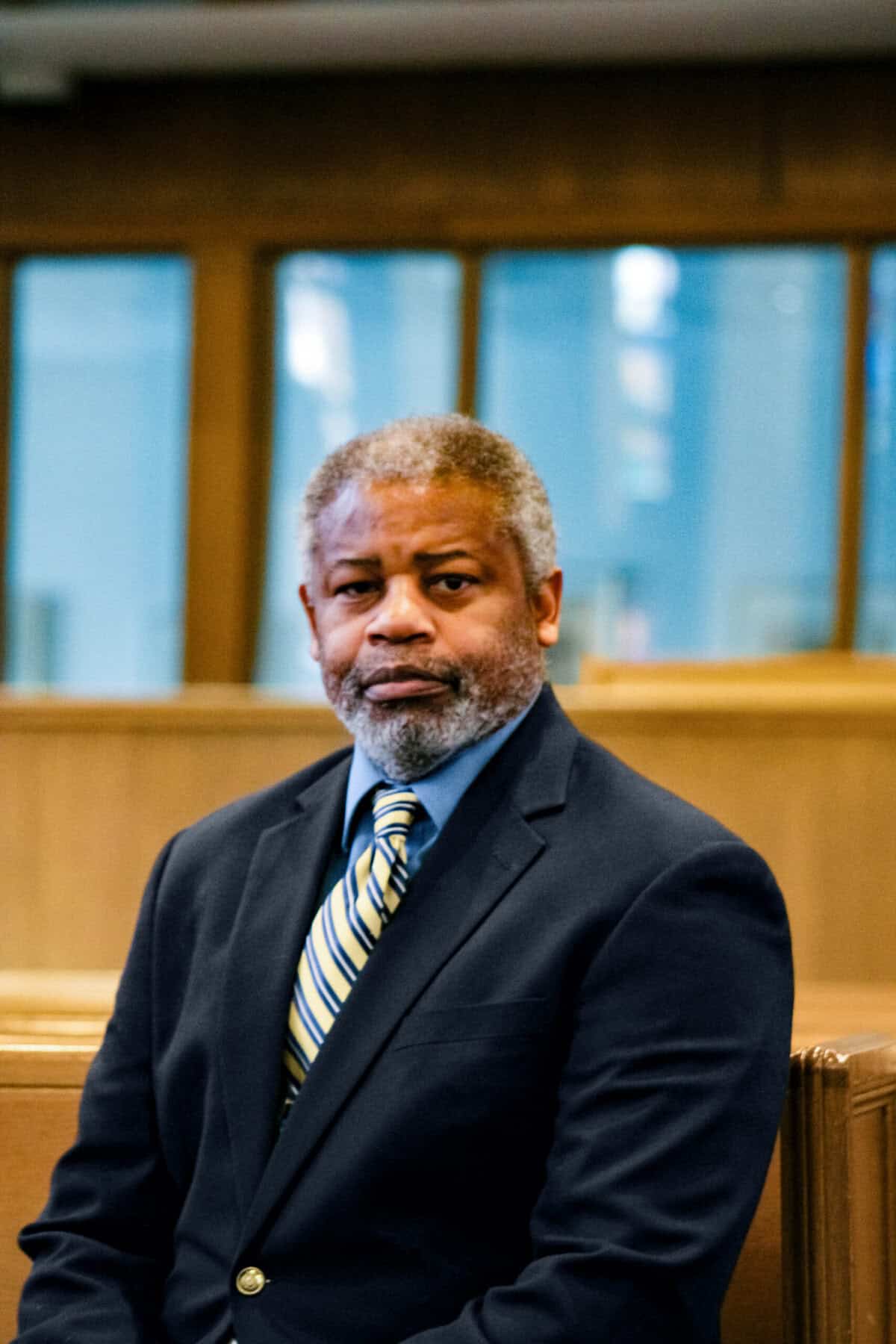 The Rev. Dr. Reginald Smith is an author, educator, speaker, and internationally known ministry consultant at Thrive, the Christian Reformed Church’s congregational support agency. In his work, Dr. Smith draws on his decades of successfully leading the renewal of an entire neighborhood, including new schools and housing, starting with outreach from the Roosevelt Park congregation he pastored in Grand Rapids, Michigan.