 Every powerful system has a way of telling its own story.
It tells us who matters, who gets to speak, and who should stay quiet. It rewards certainty and punishes nuance. Throughout history, people have called these systems “empires.” They show up in different forms in every generation, but they always do the same thing: They flatten the world into one acceptable narrative.
Advent interrupts that.
Advent is the season that invites us to look again. To slow down. To remember that God often works outside the places power expects. A young woman in Nazareth. A baby born under occupation. A message whispered to night-shift shepherds instead of palace officials.
If you read the opening chapters of Luke, it almost feels like a tug-of-war between two competing stories. Caesar Augustus declares a census, but Mary sings a liberation song. Caesar counts people to control them, but Mary counts on God to lift the lowly.
“He has brought down rulers from their thrones,” she sings, “and lifted up the humble.” – Luke 1:52
Mary’s song reminds us that God’s story rises from below — from the underside of power, from voices easily dismissed.
We Still Live in a World That Prefers the Single Story
Our public life doesn’t like complexity. Politics doesn’t and social media definitely doesn’t. Even the church sometimes reaches for quick explanations instead of patient listening. But the Bible refuses one-size-fits-all storytelling.
Four Gospels tell the same story of Jesus — and not one of them is the whole picture. Together, they form a kind of holy mosaic.
Willie Jennings once said that when the church lost its imagination for many stories of belonging, it drifted toward a colonizing posture — a way of baptizing conquest and calling it “mission.” It’s sobering, and it’s true. Single stories have wounded generations.
Part of our repentance today is reclaiming community stories we ignored or dismissed, and part of our discipleship is learning to listen again.
 CAAPIC’s Advent Calendar: A Different Way to Enter the Season
That’s why I’ve been so grateful for the Advent project created by our partners at the Coalition of Asian American and Pacific Islander Churches (CAAPIC). It’s not just an online calendar; it’s a guided journey through memory, Scripture, grief, joy, and hard-won wisdom from AAPI Christian communities.
Each week unfolds a different layer:
-
Week 1: Hope through grief and lament — naming the stories of war, migration, and loss that shape so many families.
-
Week 2: Remembering resistance to authoritarianism — honoring ancestors and communities who learned to survive by holding many truths at once.
-
Week 3: Repenting of the stories America tells — and sells — especially capitalism and the myth of self-sufficiency.
-
Week 4: Practicing faithfulness together — looking for the Spirit’s work in communal, everyday acts of hope.
The resource offers Scripture readings, prayers, short reflections, audio stories, and practices. It’s one of the most thoughtful ways I’ve seen a community invite the church into Advent.
And it feels just like the kind of multi-voiced storytelling Advent is meant to nurture.
The Stories Behind the Calendar
As part of this project, CAAPIC hosted a conversation with three Southeast Asian American leaders — Ake, Grace, and Kathy — whose families carry stories marked by war, displacement, trauma, and surprising faith. One of the comments stood out to me:
“Authoritarian regimes control people by forcing one narrative. We push back by holding many.”
It reminded me of the prophets who held out surprising visions of peace in the middle of chaos, and of countless Christians throughout history who insisted on telling the truth when the stories around them were distorted or incomplete. Communities have always found ways to hold on to God’s story, even when the dominant one tried to silence them.
Why These Stories Matter for Advent
Advent isn’t about pretending everything is tidy. It’s about learning to hope while things are still unresolved.
That’s what struck me during the CAAPIC conversation. When Grace talked about holding both gratitude and grief toward the United States — safety on one hand, deep harm on the other — she named the honest tension most of us feel but rarely say aloud.
It’s the same tension at the center of Advent: joy and longing, healing and ache, God-with-us and not-yet.
Mary didn’t sing because everything was fixed. She sang because she’d glimpsed what God was doing.
A Season for Bigger Stories
If there’s anything the world does not need right now, it’s more simplistic narratives. Instead, we need communities brave enough to tell the truth — even when the truth doesn’t fit in a single sentence.
CAAPIC’s Advent calendar is an invitation into that kind of honesty and hope. And we’d love for you to enter it with us.
Instead of sharing only the audio from the conversation, we invite you into the full journey — the reflections, the practices, the prayers, the layered stories that help us pay attention to the God who still arrives in unexpected places.
May this season widen your imagination and quiet the single stories you’ve inherited. And may it help you see Christ in places you hadn’t thought to look.
Explore CAAPIC’s Advent resource here.
____
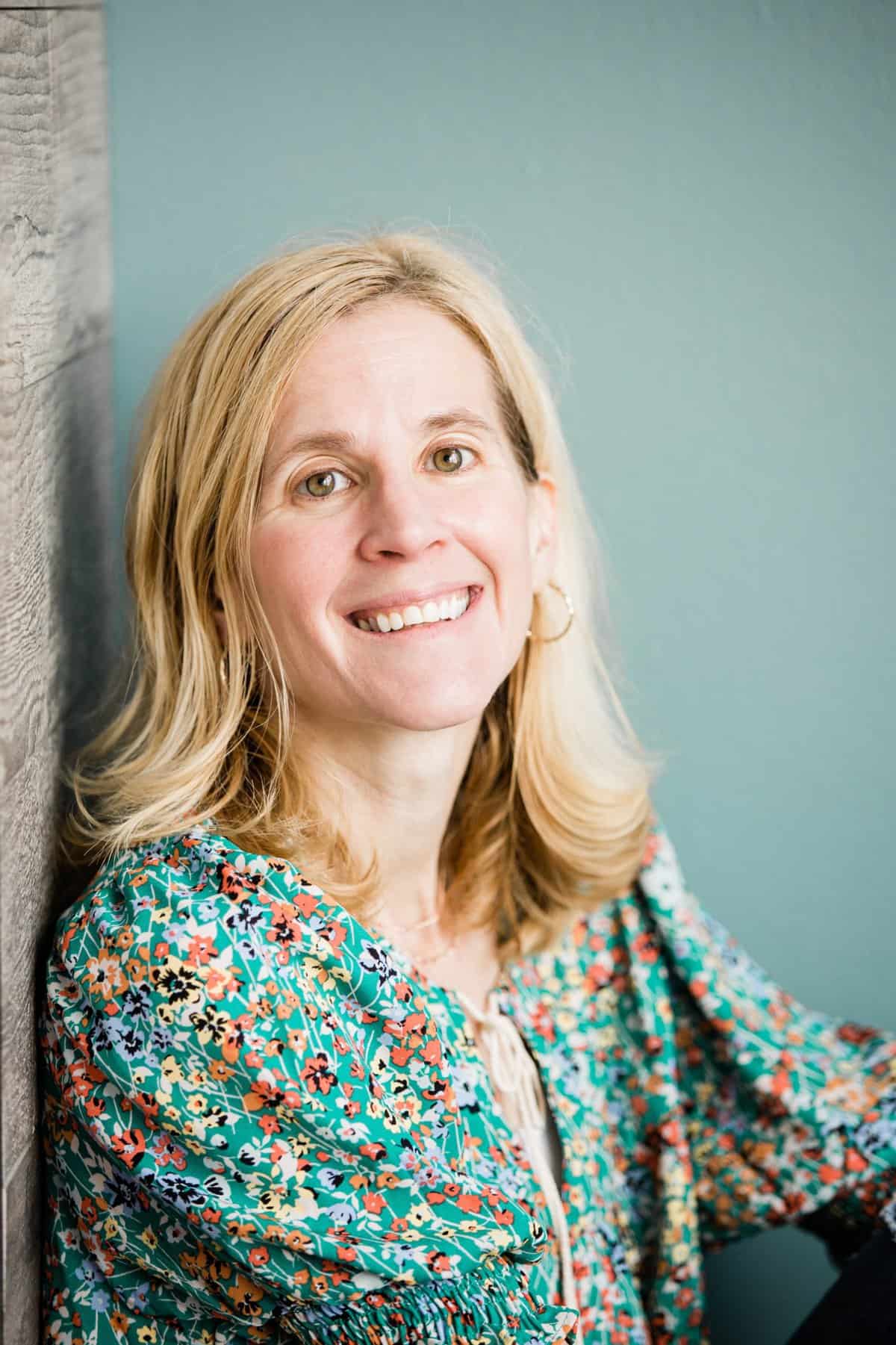
Laurie Nichols serves as Director of Communications for Christians for Social Action. A lifelong storyteller and strategic communicator, Laurie has more than two decades of experience helping people and organizations tell the truth—about God, the world, and themselves. With a background in journalism, nonprofit leadership, and theological education, Laurie is passionate about the power of words to name injustice, stir hope, and create meaningful change. She blogs at findingfaithagain.substack.com.