
Part 1: The Invisible Baggage We Bring to Church: The Stories, Wounds, and Questions People Carry into Faith Communities
Every person who walks into a church carries a story. Some arrive longing for connection. Others carry wounds from spiritual abuse, racism, sexism, economic exclusion, grief, illness, or previous faith communities that failed to see or support them. In the opening article, Liz Cooledge Jenkins shares the experiences of people who struggled to find safety and belonging in church. She invites congregations to move beyond asking, How do we get more people through our doors? to begin asking more compassionate questions: What are people carrying when they arrive? What feels healing or harmful? How can we truly be a place where people can be fully themselves? This article challenges churches to recognize the invisible wounds people bring with them and to become communities of attention, empathy, care, and hope.
Part 2: The Church as a Place of Refuge: How Scripture and Church History Call Us to Protect Dignity and Welcome the Vulnerable
In Part 2, Jenkins looks to Jesus, the Psalms, the Early Church, and Christian history to explore the church’s calling to protect people from harm and restore dignity, agency, and belonging. From Jesus’ defense of a woman threatened by religious leaders to the radical hospitality practiced by early Christians, the Christian tradition offers a vision of faith communities centered on care for those who are vulnerable. This article challenges spiritual language that dismisses legitimate fears or treats physical and emotional safety as evidence of weak faith. Instead, it calls churches to become places where suffering is taken seriously, power is used responsibly, and people are welcomed into a community of protection and care.
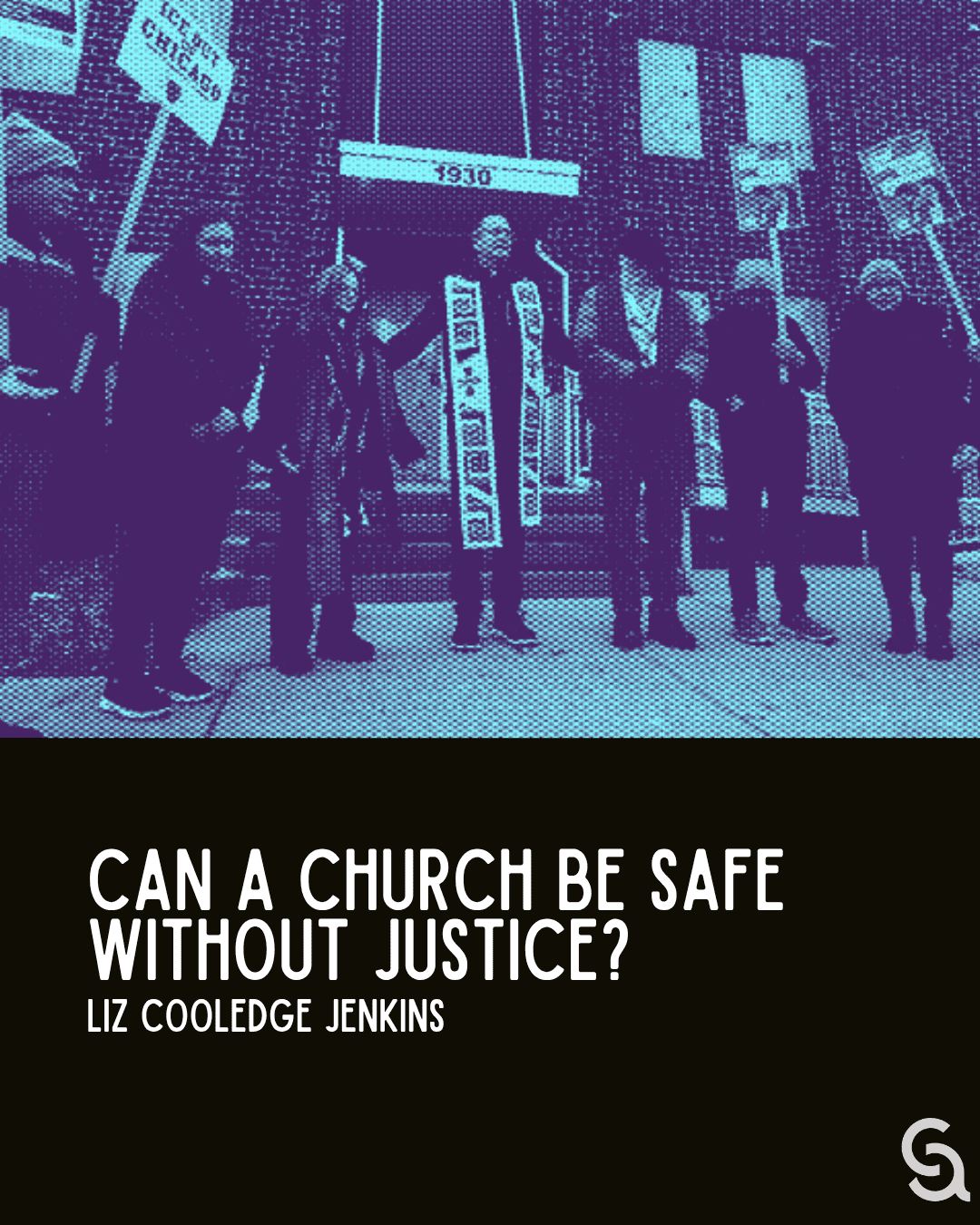
Part 3: Can a Church Be Safe Without Justice? Why the Safety of One Person Is Bound Up with the Safety of Everyone
A church may feel welcoming to some people while remaining unsafe for others. But can any community be genuinely safe when racism, misogyny, poverty, anti-LGBTQ+ exclusion, or violence against immigrants is ignored? In Part 3, Jenkins explores the essential connection between justice, trust, and belonging. Through interviews and reflections from writers including Danté Stewart, Ally Henny, and Kaitlin B. Curtice, she shows how people evaluate a church not only by how they are personally treated, but also by how the community responds to those who are marginalized or harmed. This article calls churches to move beyond silence, neutrality, and performative welcome. True safety requires a public and wholehearted commitment to justice—a commitment to name harm, stand with vulnerable communities, and recognize that our liberation and well-being are bound together.
Part 4: Becoming a Safe Church: 10 Practices That Foster Healing, Trust, and Belonging
How can churches put these ideas into practice? In the final article, Jenkins offers 10 concrete ways faith communities can become safer and more healing. These practices include naming harm and holding perpetrators accountable, exercising transparency, dismantling white supremacy, welcoming voices that speak up for justice, affirming healthy boundaries, engaging the body in healing, and making room for questions and deconstruction. This practical conclusion invites churches to replace secrecy with honesty, coercion with invitation, conformity with spaciousness, and shallow harmony with the deeper work of justice and repair. Safe churches are not perfect or conflict-free. They are communities willing to listen, repent, learn, change, and pursue healing together.