
The Church’s Witness: Theology, Peacemaking, and the Holy Land (A Four-Part Series)

What happens when theology shapes not only belief, but how we understand land, power, and people?

In this four-part series, Rev. Dr. Mae Elise Cannon invites readers to examine how Christian interpretations of Scripture influence the way many approach Israel and Palestine — often in ways that go unquestioned, yet carry profound consequences.

Moving carefully through history, theology, and lived reality, Cannon explores how frameworks like Christian Zionism, restorationism, and dispensationalism have shaped Christian imagination in the United States and beyond. At the same time, she considers alternative theological approaches that emphasize justice, shared dignity, and the reconciling work of Christ. This series does not offer easy answers. Instead, it creates space for deeper reflection:

  • How should Christians read Scripture in the context of modern nation-states?
  • What happens when theology is used to justify harm?
  • And what might it look like for the Church’s witness to contribute to peace rather than division?


Together, these pieces invite Christians to wrestle honestly with the implications of their beliefs — not only for doctrine, but for real people living in a land marked by deep suffering and enduring hope.

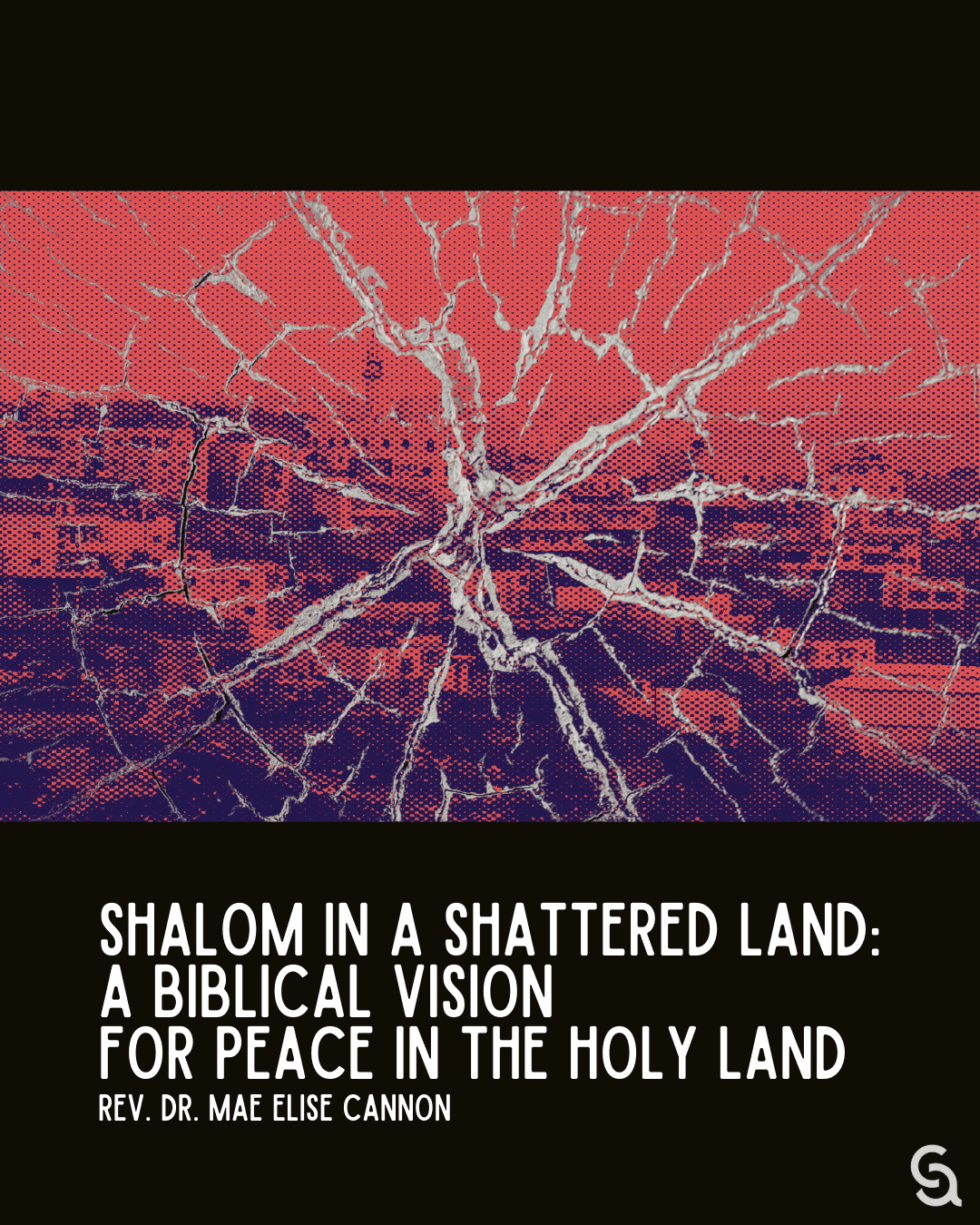
Part 1: Shalom in a Shattered Land

Beginning with Scripture, Story, and the Reality on the Ground

In the opening piece, Mae Elise Cannon situates readers in the lived reality of Israel and Palestine, introducing the historical, political, and theological tensions that shape the region today. With attention to both Scripture and contemporary experience, she invites Christians to move beyond abstraction and toward a more grounded understanding of what is at stake — not only geopolitically, but spiritually. Read Part 1 >
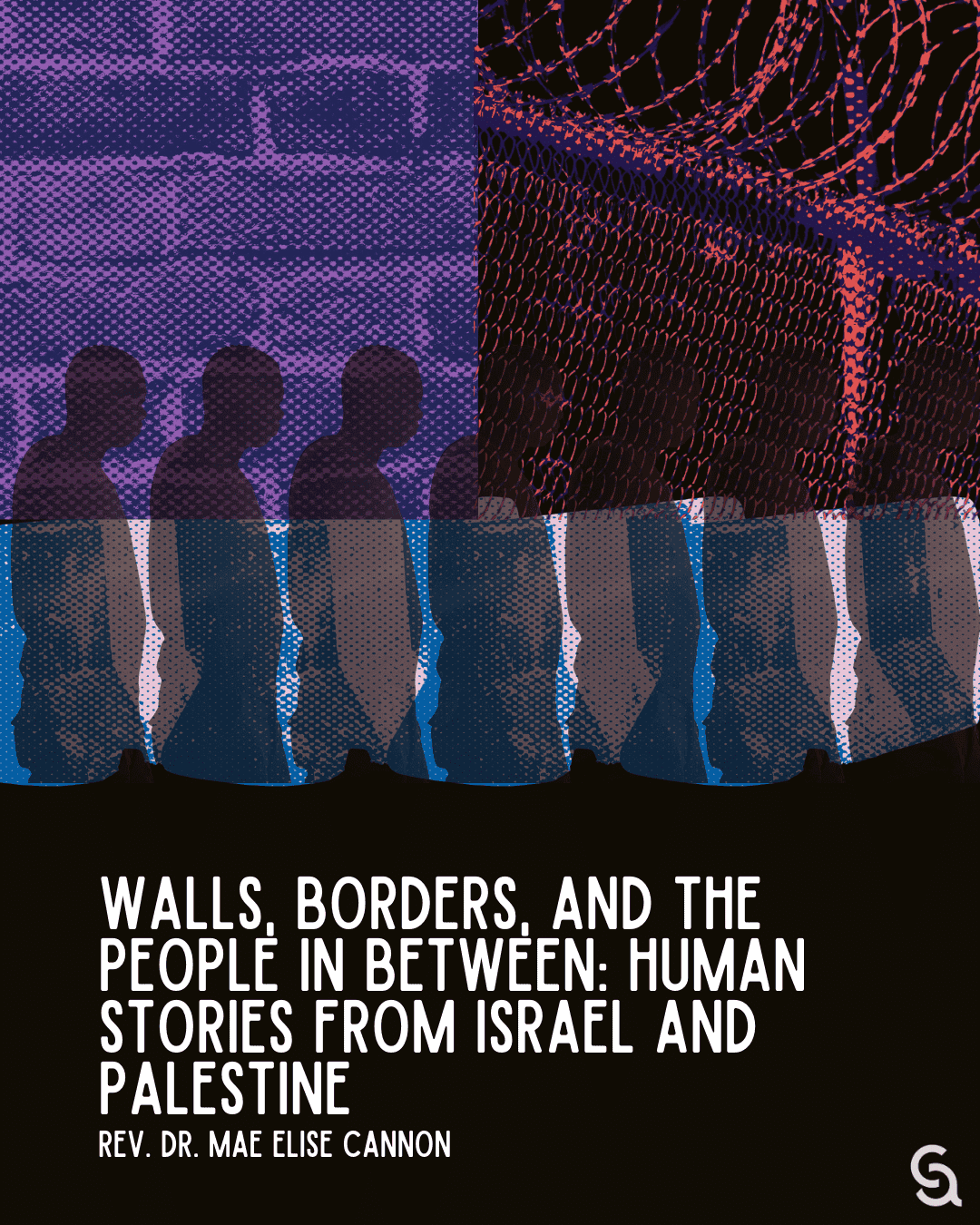

Part 2: Walls, Borders, and the People in Between

How Physical and Political Divisions Shape Human Lives

Part 2 turns to the structures that divide — walls, checkpoints, borders — and the ways these realities affect daily life for both Israelis and Palestinians. Cannon explores how systems of separation are experienced on the ground and reflects on what it means for Christians to bear witness in a context where movement, access, and dignity are unevenly distributed. Read Part 2 >


Part 3: The Church’s Witness: When Theology Harms or Heals in Israel and Palestine

How Biblical Interpretation Shapes Christian Imagination and Public Witness

In Part 3, Cannon examines the theological frameworks that often undergird Christian perspectives on Israel and Palestine, including Christian Zionism and dispensationalism. She traces how these interpretations of Scripture influence political alignment and moral reasoning, and raises critical questions about their real-world implications. Drawing on both Old and New Testament texts, this piece considers how Christians might evaluate theology not only by its internal coherence, but by its effects: What kind of witness does it produce? and Whose dignity is upheld — and whose is diminished? Read Part 3 >
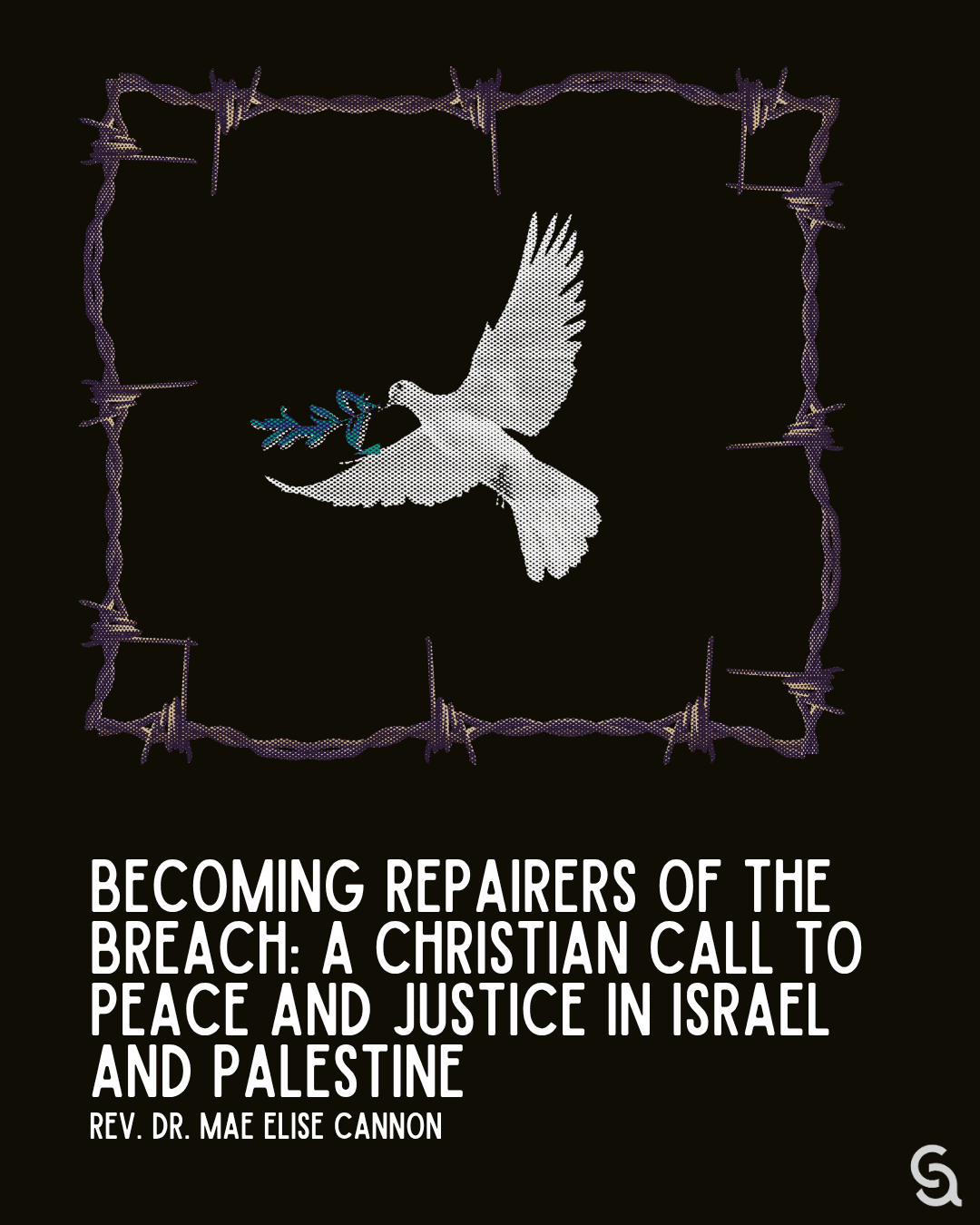

Part 4: Becoming Repairers of the Breach

A Christian Vision for Justice, Peace, and Faithful Presence

The final piece brings the series to its theological and practical center. Cannon reflects on the call of the Church to embody a witness rooted in justice, mercy, and reconciliation — not abstractly, but in concrete ways that honor the dignity of all people.

Drawing on Scripture and the life of Jesus, she invites Christians to imagine a different posture: one that resists domination, refuses indifference, and seeks peace grounded in truth and repair. Read Part 4 >

Download the Full Series for Group or Individual Usage

This free, downloadable reflection guide includes the full four-part Economic Injustice series by Dr. Terence Lester, along with guided reflection questions, key themes, and main takeaways.

Created for individuals, small groups, classrooms, and churches, the guide is designed to help readers move from understanding toward faithful action — connecting theology, lived experience, and the call to repair what systems have harmed.

About the Author

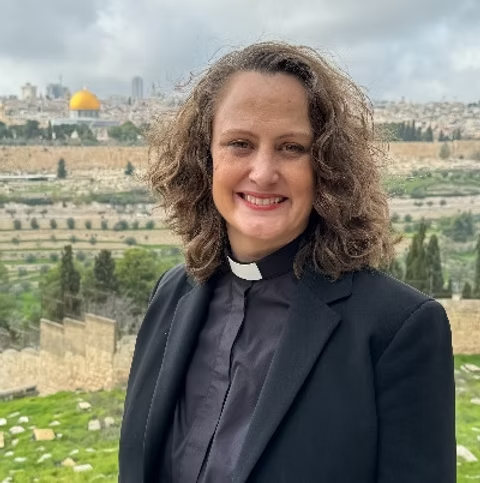
Rev. Dr. Mae Elise Cannon is Executive Director of Churches for Middle East Peace (CMEP) and is ordained with the Reformed Church in America (RCA). Cannon formerly served as the Senior Director of Advocacy and Outreach for World Vision U.S. on Capitol Hill in Washington, DC; as a consultant to the Middle East for child advocacy issues for Compassion International in Jerusalem; as the Executive Pastor of Hillside Covenant Church located in Walnut Creek, California; and as Director of Development and Transformation for Extension Ministries at Willow Creek Community Church in Barrington, Illinois.

Cannon holds an MDiv from North Park Theological Seminary, an MBA from North Park University’s School of Business and Nonprofit Management, and an MA in bioethics from Trinity International University. She received her first doctorate in American History with a minor in Middle Eastern studies at the University of California (Davis), focusing on the history of the American Protestant church in Israel and Palestine, and her second doctorate in Ministry in Spiritual Formation from Northern Theological Seminary. She is the author of several books, including the award-winning Social Justice Handbook: Small Steps for a Better World, and editor of A Land Full of God: Christian Perspectives on the Holy Land. Cannon was recently ordained with the Reformed Church in America (RCA).