
Resisting the Single Story: What Advent Teaches About Power
By Laurie Nichols
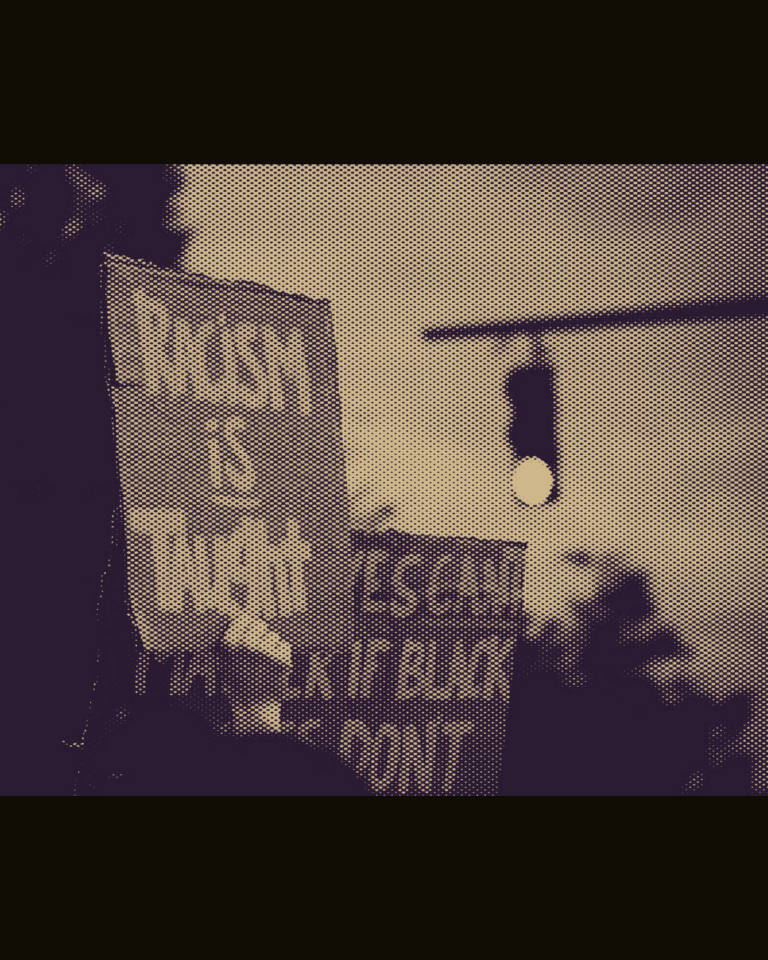
Every powerful system has a way of telling its own story.
It tells us who matters, who gets to speak, and who should stay quiet. It rewards certainty and punishes nuance.
This Online Articles area (formerly our Library) gathers reflections, op-eds, and essays that engage the pressing questions of faith, justice, and public life. Here, you’ll find hundreds of thoughtful and engaging pieces from scholars, practitioners, and everyday Christians — leaders and writers who bring fresh insight and faithful imagination. These articles are meant to spark deeper discipleship, fuel courageous action, and equip the church to embody the gospel in a complex world. We invite you to explore, learn, and join the ongoing conversation toward a fuller expression of Christian faithfulness and a more just society.
Subscribe to the CSA Newsletter
CSA’s free weekly publication, a carefully curated collection of original articles at the intersection of spiritual formation and social action.

By Laurie Nichols
Every powerful system has a way of telling its own story.
It tells us who matters, who gets to speak, and who should stay quiet. It rewards certainty and punishes nuance.

By Laurie Nichols
Every powerful system has a way of telling its own story.
It tells us who matters, who gets to speak, and who should stay quiet. It rewards certainty and punishes nuance.

By Mark Glanville
Christmas Day is a celebration that Herod must not hear of — it is a whispered celebration. What would it feel like to celebrate Christmas with a whisper?
The dead of winter seems to welcome whispers.

Interviewed By CSA Staff
In a world shaped by invisible systems of control and conformity, the call to worship often looks like productivity, power, and performance. But what happens when we reclaim liturgy—not just as ritual, but as resistance?

By Christine Sine
I am currently in Australia visiting my family.
I love coming at this time of year — not only because it gives me a break from Seattle’s cold, rainy autumn, but also because November usually sits just before the Christmas rush.

By Liz Cooledge Jenkins
On January 21, 2025, Episcopal Bishop Mariann Edgar Budde preached at the presidential inauguration prayer service, and her words reverberated far beyond the walls of the National Cathedral.
Bishop Budde called our new leaders to build “the foundations we need for unity”: foundations that include “honesty,” “humility,” and “honoring the inherent dignity of every human being.” She called for mercy toward all people—and, particularly, mercy toward “the people in our country who are scared.” Toward queer and transgender people.

By Terence Lester, PhD
(Editor’s note: This is the final piece of our 4-part series on economic injustice. You can find Part 1 here, Part 2 here, and Part 3 here. In this final piece, Dr.
By CSA Staff
A new resource from CSA’s Racial Justice Institute and authors Andre Henry and Lauren Grubaugh Thomas
What does love look like in the face of injustice?
For many Christians, that question feels urgent and unresolved.

By Terence Lester, PhD
(Editor’s note: This is Part 3 of a 4-part series on economic injustice. You can find Part 1 here and Part 2 here. In this post, Dr. Terence Lester shows how compassion can grow into systemic change.)
____
In 2016, with the support of my family and board of directors, I launched a campaign called MAP16 (March Against Poverty) to walk from Atlanta, GA, to the White House to raise awareness about homelessness in the U.S.

By Rev. Dr. Mae Elise Cannon
(Editor’s note: We’re honored to welcome Rev. Dr. Mae Elise Cannon as a regular contributor to Christians for Social Action moving forward. Dr. Cannon is an author, scholar, and activist who has spent decades working at the intersection of faith, justice, and peacemaking in the Middle East.

By Terence Lester, PhD
(Editor’s note: This is Part 2 of a 4-part series on economic injustice. In his first post, Terence Lester exposes the spiritual and systemic crisis of “educational redlining” and calls the church to defend the futures of marginalized students.

Interviewed By CSA Staff
Grief is universal — but it is not experienced in the same way by everyone. In the United States, trauma, loss, and grief are embedded in the lived experience of Black women, shaped by history, systemic inequities, and daily realities that too often go unseen in wider church communities.

By Terence Lester, PhD
(Editor’s note: This is Part 1 of a 4-part series on economic injustice. In this first post, Terence Lester exposes the spiritual and systemic crisis of “educational redlining” and calls the church to defend the futures of marginalized students.

By Laurie Nichols
Each year, I circle back to the same question, one that never feels finished: Where are we now in the long, unfinished struggle for justice? It isn’t the kind of question you can tick off with easy answers.

By David Swanson
To the U.S. Immigration and Customs Enforcement officers who’ve entered my wonderful city of Chicago, who share my Christian faith: I plead with you to lay down your tasers and flash-bang grenades, take off your masks, remove the badges representing the federal government, and return to your homes, families, and churches.

By Ben Norquist
Five-year-old Hind Rajab was killed by Israeli soldiers as she sat in the back of her family’s car in Gaza. Her relatives were trying to evacuate. The world listened in horror to the recordings of Hind’s final pleas for help as she watched each of her family members die before soldiers took her life, too.

By Melanie Mock
In September 2008, a group of students hung a cardboard effigy of Barack Obama from an oak tree at the university where I teach. An accompanying sign, meant to critique Obama, suggested that the soon-to-be president, a Harvard-educated lawyer, wouldn’t qualify for a selective diversity scholarship at my institution.